
Description
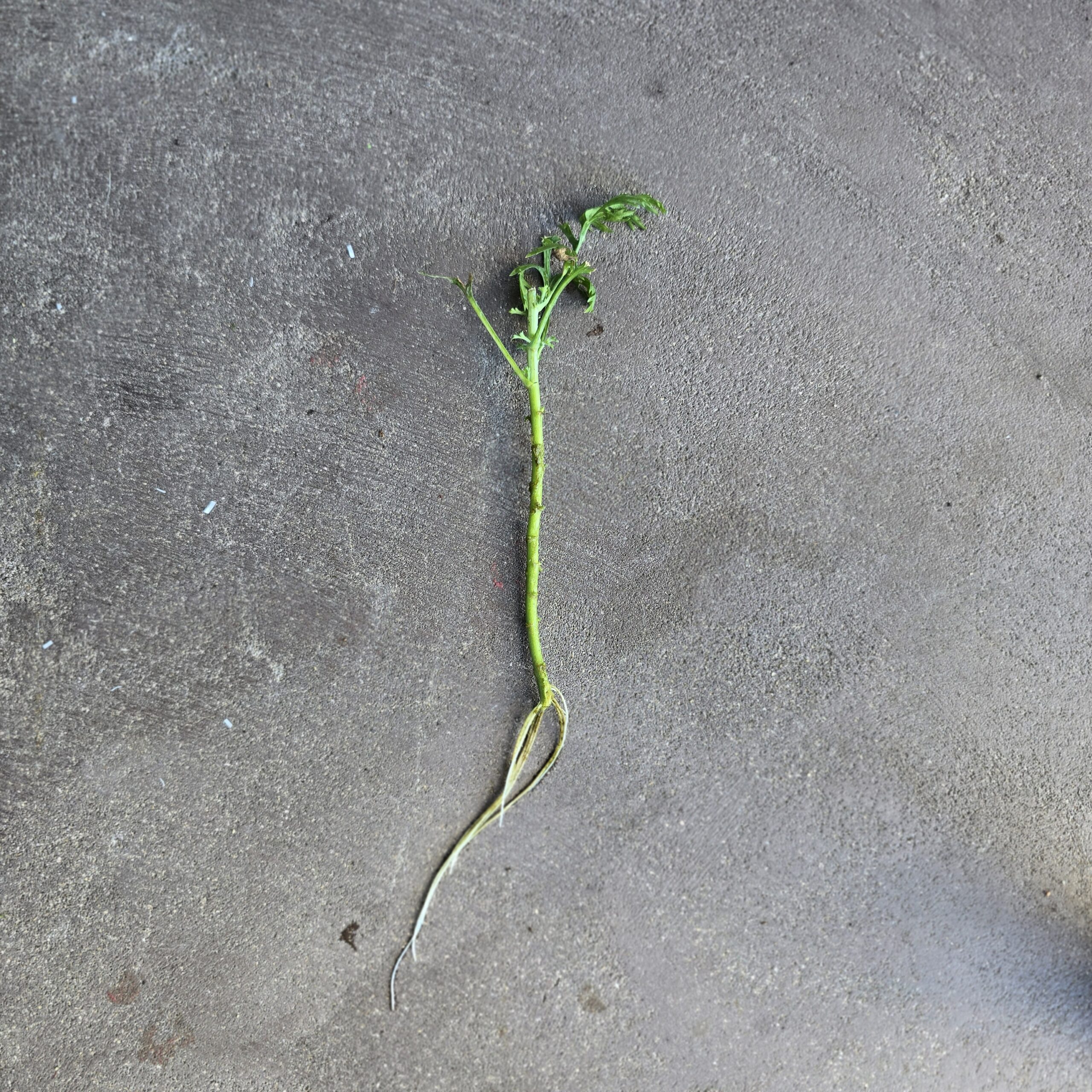
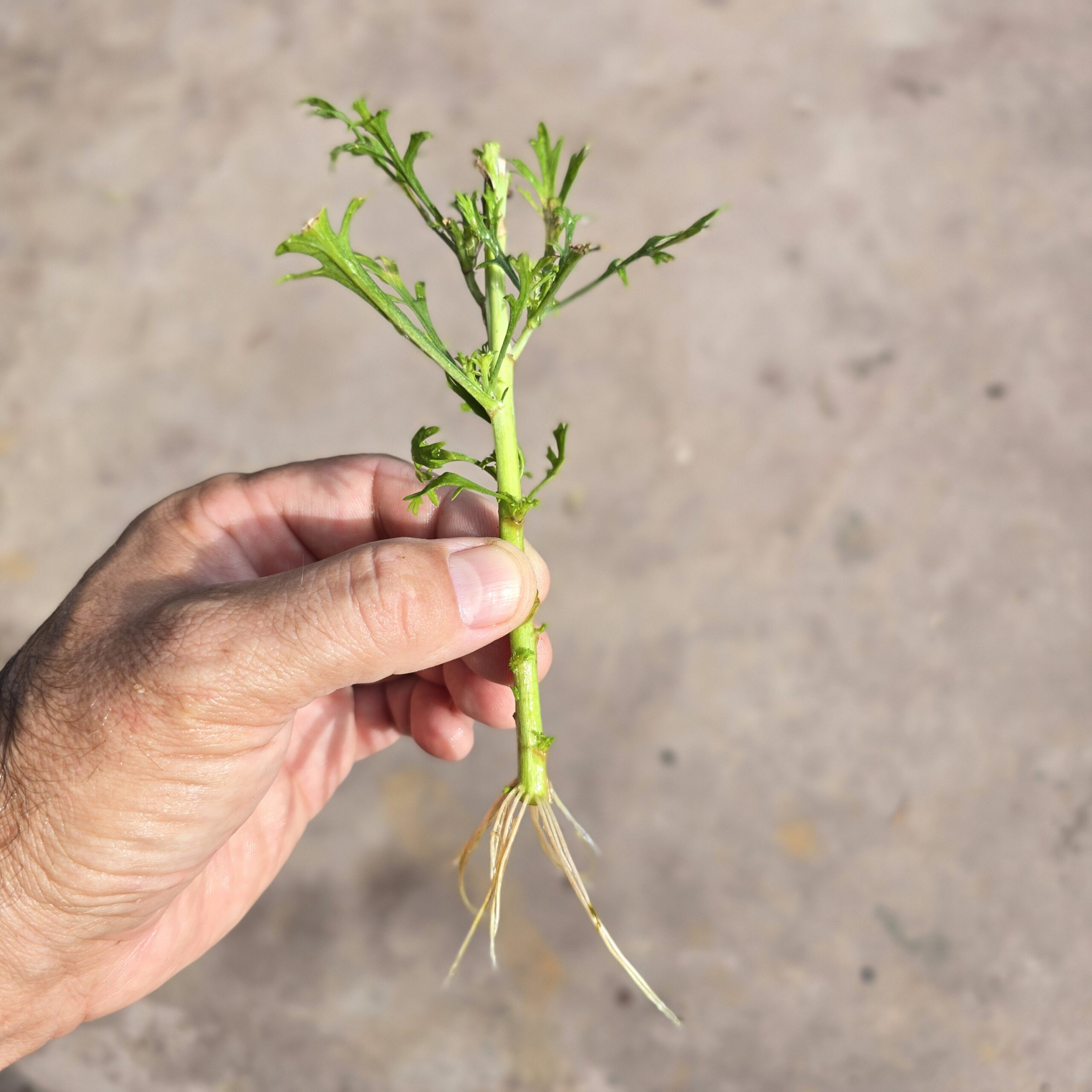
PLEASE NOTE: We sell cuttings and bare root plants only. If you see a picture of a large plant in the listing it is for illustration purposes only and not what you will receive. Cuttings need to be placed in a container with water or moist soil till they root, bare root plants can be placed directly in the ground or containers and usually require daily watering till they are established. Some cuttings like succulents and cacti can be placed directly in the ground without rooting. Most cuttings do not have 100 percent success rate so we recommend you purchase a few to ensure success. Even some bare root plants will not give you 100 percent success rate after planting in the ground. Some plants are considered invasive in certain areas or provinces and the onus is on you to make sure you research the plant that you are purchasing to make sure it will work for you, your area and your landscape. To find out more info about cuttings and bare root plants and how to root cuttings please click HERE
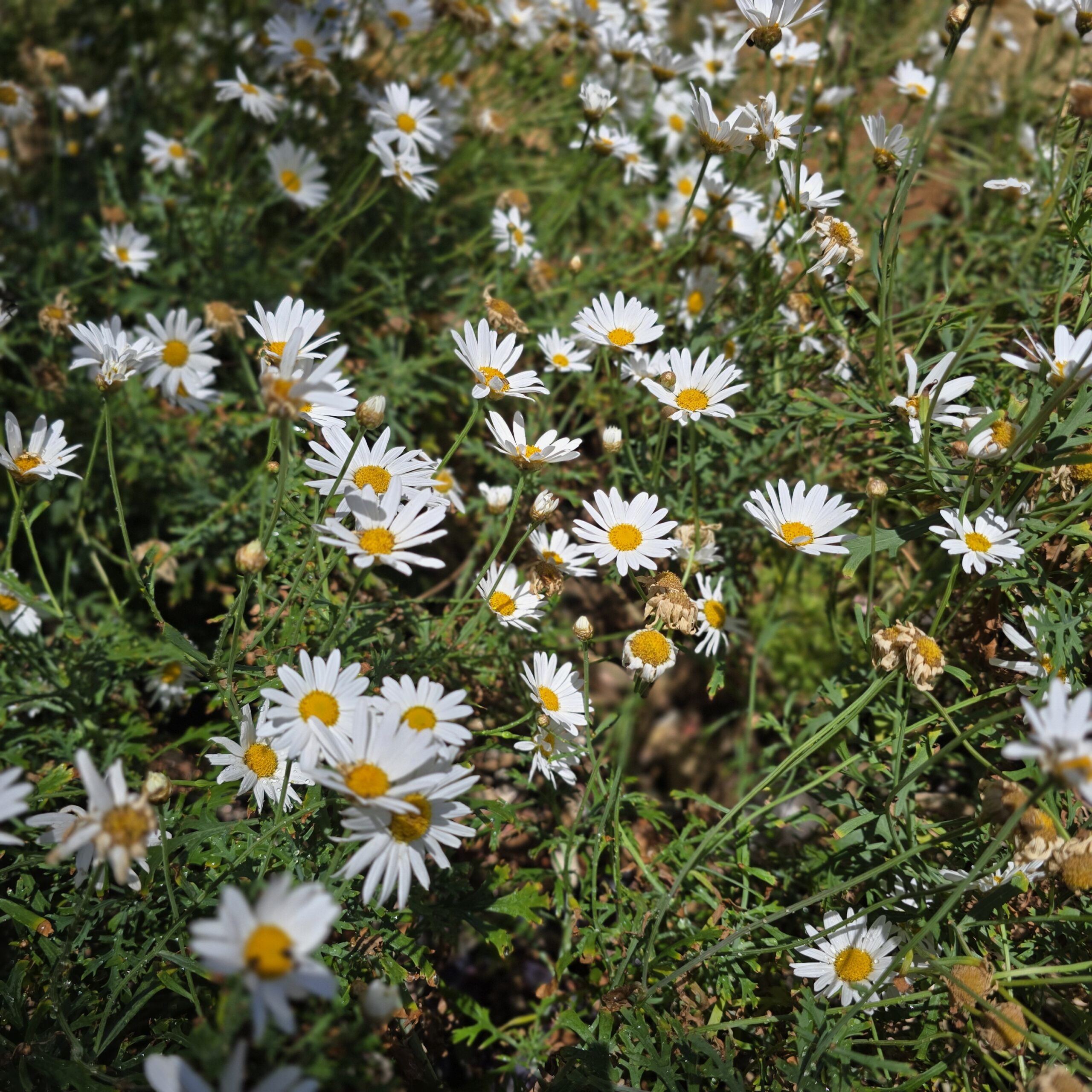
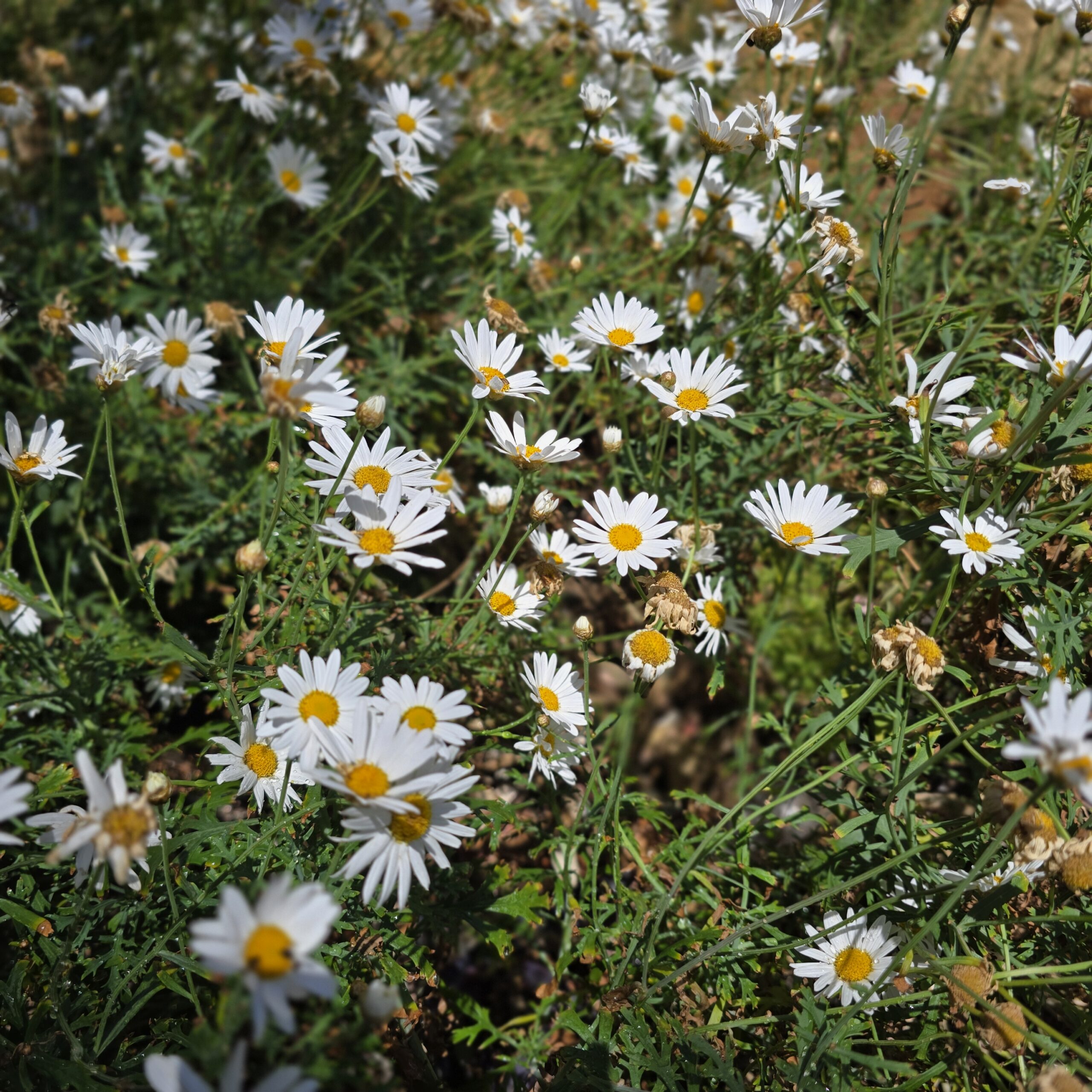
The Marguerite daisy (Argyranthemum frutescens), also known as the Paris daisy or cobbity daisy, is a perennial shrub native to the Canary Islands, widely cultivated as an ornamental plant for its cheerful, long-lasting, daisy-like flowers
- Light: Requires full sun (at least six hours of direct sunlight daily) for the best blooms. In very hot climates, it benefits from afternoon shade to prevent scorching.
- Soil: Prefers average, well-drained soil with a neutral to slightly acidic pH. Amending the soil with organic matter like compost can improve drainage and nutrient content.
- Water: Needs moderate, consistent watering, especially during the growing season. Allow the top inch or two of soil to dry out slightly between waterings to prevent root rot.
- Temperature: Thrives in cooler temperatures. High heat can cause the plant to stop flowering, but it will often bloom again when temperatures cool in the fall. It is frost-tender and must be protected from freezing.
- Fertilization: In organically rich soil, little to no fertilizer is needed. If the soil is poor, a balanced, all-purpose liquid fertilizer applied once or twice a month during the growing season can help.
- Pruning: Regular deadheading (removing spent flowers) encourages continuous blooming and maintains a neat appearance. Light pruning or “pinching” of growing tips promotes a bushier, more compact plant. A harder prune can be done in late winter or early spring to rejuvenate the plant.
- Pests and Diseases: Generally resistant to most issues, but watch for common pests like aphids, spider mites, and thrips, which can be managed with neem oil. Overwatering is the main problem, potentially causing root rot and fungal diseases.
- Propagation: Easily propagated by taking 4-6 inch stem cuttings in late spring or early summer. Plant the cuttings in well-draining soil and keep them moist in indirect light until roots form.
Chances of success of cuttings or bare root:
MED-HIGH. This plant is very easy plant to propagate and will root even easily and quickly. However it does often experience transplant shock where all the leaves die off and new leaves grow back. Purchasing bare root will speed up the process but is not necessary for success. If you want to save money and are patient then purchase cuttings rather than bare root. Cuttings root better in moist soil vs water but either will work fine and it will take about 2 – 3 weeks for a cutting to root.


Reviews
There are no reviews yet.